Architecture & Operational Overview
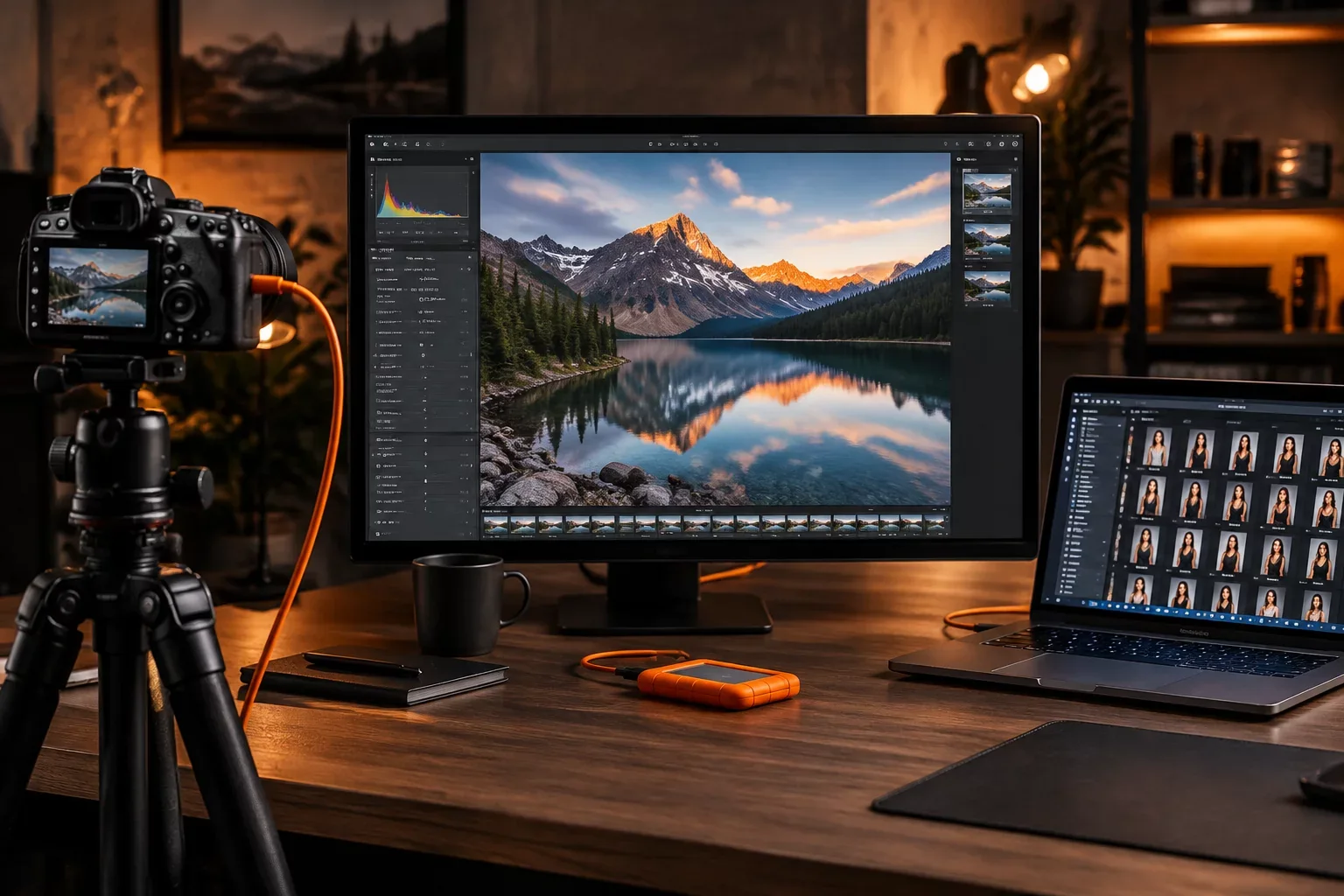
Tethered studio photography demands instant data parity the split second a camera shutter fires. In high-speed commercial production, raw image files flow directly from camera buffers over dedicated USB-C pipes into local session staging folders. This ingestion layer intercepts incoming frames, parses internal camera EXIF blocks, and stamps verified IPTC Core tokens into non-destructive sidecar registers without interrupting the continuous tether stream.
Manual entry introduces catastrophic risks on commercial sets. When operators type copyright lines or asset tags between continuous takes, typos quickly compromise enterprise digital asset systems downstream. Automated ingestion solves missing photographer ownership records, unassigned client purchase order numbers, mismatched lookbook SKU tags, and unsynchronized camera internal clocks. By configuring rigid session-level schema presets prior to call time, every recorded frame inherits valid rights usage clauses, creator credits, and production codes before reaching live review monitors.
Request Studio Workflow Checklist
Get the complete verified routing step map, terminal naming tokens, and validation matrix.
Execution Benchmarks & Checkpoints
Execute the following sequence inside the primary capture software environment before initiating live camera shooting:
- Verify creator attribution, legal copyright statement, and rights usage terms inside the primary capture template before connecting tether cables.
- Lock the IPTC job identifier to match the agency call sheet code, shoot day integer, and product line designation.
- Enable real-time sidecar XMP writing with strict adherence to MWG 2.0 namespace synchronization guidelines.
- Confirm camera internal date and UTC time offsets match the studio reference clock across all participating camera bodies.
Failover & Redundancy Path
Camera drops, firmware lockups, or unexpected cable disconnections occasionally interrupt metadata injection mid-sequence. When an incoming frame fails sidecar schema validation, the automated ingestion watchdog routes that asset into an isolated triage directory and fires a visual notification on the digital tech cart. Operators can then trigger an idempotent batch re-injection pass across that burst folder without re-exporting pixels or resetting session state.
Automated metadata injection is the single boundary protecting enterprise photo libraries from untracked, orphaned assets. If copyright and asset IDs are not written directly during ingestion, tracing file origins across post-production becomes a logistical nightmare.
— Studio Operations Standard Guide, Section 4.2